
Diabetic Neuropathy and How Laser Therapy Supports Nerve Health

Diabetic neuropathy is a nerve-related condition caused by prolonged high blood sugar levels that damage peripheral nerves, especially in the feet. This condition often develops gradually and can affect sensation, balance, and overall foot function. Reduced blood flow and metabolic changes contribute to nerve injury, making early detection important for preventing complications.

Common symptoms include tingling, burning, numbness, and sharp pain in the feet. Some individuals report weakness or a heavy feeling that affects walking. Loss of sensation is a serious concern, because it increases the risk of unnoticed injuries. Skin changes, temperature sensitivity, and delayed healing may also be present. These symptoms can vary in intensity and often worsen over time without proper care.


Risk factors include long-term diabetes, poor blood sugar control, and a sedentary lifestyle. Smoking and vascular disease can further reduce circulation, increasing nerve damage. The underlying cause involves both metabolic and vascular changes that impair nerve function. Over time, nerves lose their ability to send signals effectively, leading to the symptoms associated with neuropathy.


Low-level laser therapy is a non-invasive treatment that uses specific wavelengths of light to stimulate cellular repair and improve circulation. This therapy may help reduce pain, support nerve regeneration, and enhance tissue healing. Improved blood flow delivers oxygen and nutrients that are essential for nerve health. Combined with proper foot care and glucose management, it can play a supportive role in treatment. If you are experiencing neuropathy from diabetes, it is suggested that you are under the care of a podiatrist who can discuss the benefits of this type of therapy with you.

Neuropathy

Neuropathy can be a potentially serious condition, especially if it is left undiagnosed. If you have any concerns that you may be experiencing nerve loss in your feet, consult with Christopher Murphy, DPM from Murphy Foot and Ankle Medicine and Surgery. Our practitioner will assess your condition and provide you with quality foot and ankle treatment for neuropathy.

What Is Neuropathy?

Neuropathy is a condition that leads to damage to the nerves in the body. Peripheral neuropathy, or neuropathy that affects your peripheral nervous system, usually occurs in the feet. Neuropathy can be triggered by a number of different causes. Such causes include diabetes, infections, cancers, disorders, and toxic substances.

Symptoms of Neuropathy Include:

  • Numbness
  • Sensation loss
  • Prickling and tingling sensations
  • Throbbing, freezing, burning pains
  • Muscle weakness

Those with diabetes are at serious risk due to being unable to feel an ulcer on their feet. Diabetics usually also suffer from poor blood circulation. This can lead to the wound not healing, infections occurring, and the limb may have to be amputated.

Treatment

To treat neuropathy in the foot, podiatrists will first diagnose the cause of the neuropathy. Figuring out the underlying cause of the neuropathy will allow the podiatrist to prescribe the best treatment, whether it be caused by diabetes, toxic substance exposure, infection, etc. If the nerve has not died, then it’s possible that sensation may be able to return to the foot.

Pain medication may be issued for pain. Electrical nerve stimulation can be used to stimulate nerves. If the neuropathy is caused from pressure on the nerves, then surgery may be necessary.

If you have any questions, please feel free to contact our office located in Edgewater . We offer the newest diagnostic and treatment technologies for all your foot care needs.

Read more about Neuropathy

Plantar Warts Can Be Treated!

Plantar warts are small growths that develop on parts of the feet that bear weight. They're typically found on the bottom of the foot. Don't live with plantar warts, and call us today!

Ingrown Toenails and Podiatry Care

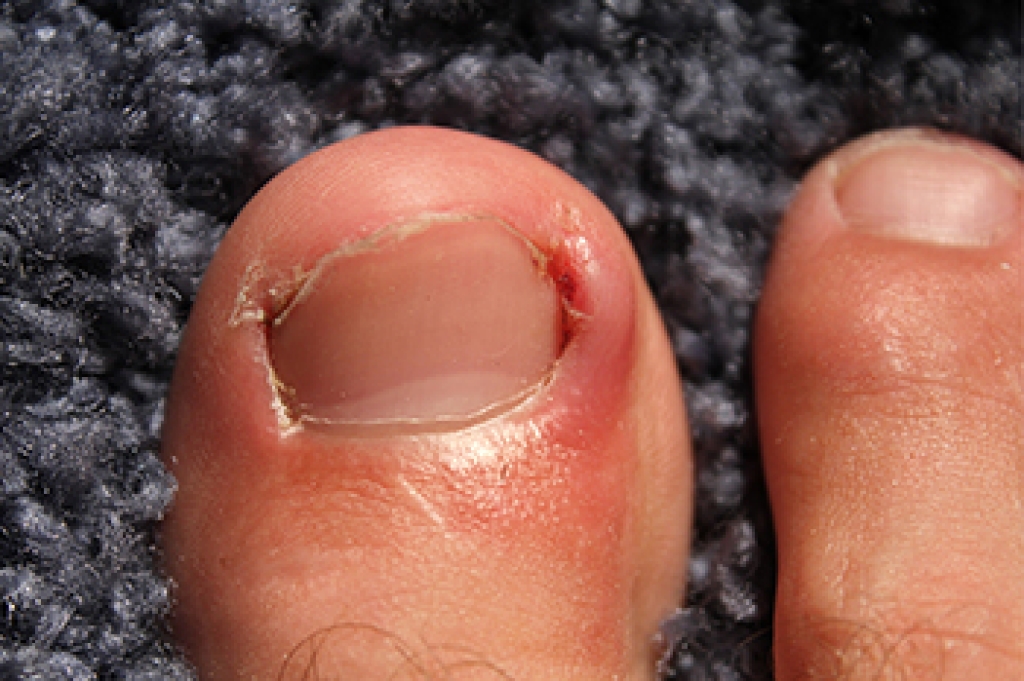
An ingrown toenail occurs when the edge of the nail grows into the nearby skin. This most often affects the big toe, but it can happen to any toenail. As the nail presses into the skin, the toe may become painful, swollen, or red. In some cases, the area may also become infected and more tender to the touch. Ingrown toenails can make it difficult to wear shoes comfortably or walk without pain. The problem may start small, but it can worsen if the nail continues to irritate the skin. People with diabetes, poor circulation, or reduced feeling in the feet should be especially careful because foot infections can become more serious.


A podiatrist can examine the toe and determine how severe the ingrown toenail is. During the visit, the podiatrist checks for infection, nail damage, and changes in the surrounding skin. Treatment depends on the patient’s symptoms and how deeply the nail has grown into the skin. In some cases, the podiatrist may carefully remove part of the nail to relieve pressure and help the area heal. If infection is present, additional medical treatment may be needed. Professional ingrown toenail treatment can reduce pain, protect the skin, and lower the chance of the problem returning.


Prompt podiatry care is important when an ingrown toenail becomes painful or shows signs of infection. Early treatment may prevent the condition from worsening and help restore comfort during walking. A podiatrist can also evaluate nail shape and foot structure to understand why the problem developed. Professional foot care supports healthier nails and helps protect long-term foot health. If you have toe pain, swelling, or redness from an ingrown toenail, it is suggested that you consult a podiatrist for an evaluation.

Ingrown toenails can become painful if they are not treated properly. For more information about ingrown toenails, contact Christopher Murphy, DPM of Murphy Foot and Ankle Medicine and Surgery. Our practitioner can provide the care you need to keep you pain-free and on your feet.

Ingrown Toenails

Ingrown toenails occur when a toenail grows sideways into the bed of the nail, causing pain, swelling, and possibly infection.

Causes

  • Bacterial infections
  • Improper nail cutting such as cutting it too short or not straight across
  • Trauma to the toe, such as stubbing, which causes the nail to grow back irregularly
  • Ill-fitting shoes that bunch the toes too close together
  • Genetic predisposition

Prevention

Wearing proper fitting shoes and using proper cutting techniques will also help decrease your risk of developing ingrown toenails.

Treatment

Ingrown toenails are a very treatable foot condition. In minor cases, soaking the affected area in salt or antibacterial soaps will not only help with the ingrown nail itself, but also help prevent any infections from occurring. In more severe cases, surgery is an option. In either case, speaking to your podiatrist about this condition will help you get a better understanding of specific treatment options that are right for you.

If you have any questions, please feel free to contact our office located in Edgewater . We offer the newest diagnostic and treatment technologies for all your foot care needs.

Read more about Ingrown Toenails

When Foot Pain Could Be a Stress Fracture

Foot stress fractures are hairline cracks in the bones of the foot that develop from repeated pressure rather than a single injury. These fractures frequently affect anyone whose feet absorb repeated impact from activities like running, basketball, tennis, and other high-impact sports. A stress fracture can be extremely small, but it can still cause significant pain. The condition often develops when activity levels are increased too quickly. The muscles and bones are not always prepared for this added demand. As a result, repeated force can create tiny cracks in the bone. Stress fractures commonly affect the metatarsals, which are the long bones in the middle of the foot. They can also occur in the heel bone or other areas that absorb repeated stress.

Symptoms usually begin gradually. Many people notice pain that worsens with activity and improves with rest. As the fracture progresses, pain can become more persistent and interfere with daily movement. Other signs include swelling, tenderness, and discomfort when walking or standing. Some people develop a visible area of swelling near the injured bone. Risk factors include sudden increases in training intensity, changes in exercise routines, and foot structure problems that place extra pressure on certain bones. Wearing shoes that lack adequate support can also increase strain on the foot. Adolescents and people with weakened bone density face a higher risk.

A podiatrist can diagnose a stress fracture through a physical examination and a review of symptoms and activity levels. Because a stress fracture may not be visible on an X-ray, an MRI scan helps confirm the diagnosis. Treatment focuses on allowing the bone to heal while reducing pressure on the injured area. A podiatrist may recommend a walking boot, protective bracing, or temporary activity modifications. In more severe cases, surgery is considered when the fracture does not heal properly. Untreated stress fractures can lead to chronic pain, stiffness, and more serious bone damage. If you have symptoms of a foot stress fracture, it is suggested that you schedule an appointment with a podiatrist for diagnosis and appropriate treatment.

Stress fractures occur when there is a tiny crack within a bone. To learn more, contact Christopher Murphy, DPM from Murphy Foot and Ankle Medicine and Surgery. Our practitioner can provide the care you need to keep you pain free and on your feet.

How Are They Caused?

Stress fractures are the result of repetitive force being placed on the bone. Since the lower leg and feet often carry most of the body’s weight, stress fractures are likely to occur in these areas. If you rush into a new exercise, you are more likely to develop a stress fracture since you are starting too much, too soon.  Pain resulting from stress fractures may go unnoticed at first, however it may start to worsen over time.

Risk Factors

  • Gender – They are more commonly found in women compared to men.
  • Foot Problems – People with unusual arches in their feet are more likely to develop stress fractures.
  • Certain Sports – Dancers, gymnasts, tennis players, runners, and basketball players are more likely to develop stress fractures.
  • Lack of Nutrients – A lack of vitamin D and calcium may weaken the bones and make you more prone to stress fractures
  • Weak Bones – Osteoporosis can weaken the bones therefore resulting in stress fractures

Stress fractures do not always heal properly, so it is important that you seek help from a podiatrist if you suspect you may have one. Ignoring your stress fracture may cause it to worsen, and you may develop chronic pain as well as additional fractures.

If you have any questions please contact our office located in Edgewater . We offer the newest diagnostic and treatment technologies for all your foot and ankle needs.

Read more about Dealing with Stress Fractures of the Foot and Ankle
scroll to top