Recovery Strategies From Drop Foot

Drop foot is a condition defined by difficulty lifting the front part of the foot, which can cause the toes to drag while walking. This issue often results from weakness or paralysis of the muscles responsible for ankle dorsiflexion. It is commonly linked to nerve-related conditions and can significantly affect balance, gait, and overall mobility. Individuals with drop foot may develop compensatory walking patterns, such as lifting the knee higher than normal, which can lead to further strain on the lower body.

Several causes contribute to drop foot, including stroke, sciatica, and nerve injury. A stroke may disrupt signals between the brain and muscles, while sciatica can compress nerves that control foot movement. Direct nerve injury, especially involving the peroneal nerve, is another frequent cause. Symptoms include difficulty lifting the foot, frequent tripping, muscle weakness, and an altered walking pattern. Risk factors include underlying neurological conditions, lower back disorders, trauma, and prolonged pressure on the nerves.


Targeted exercises play an important role in improving functional mobility and strength. Calf stretch exercises help maintain flexibility and reduce tightness in the lower leg. Balance exercises are essential for improving stability and coordination, which can reduce the risk of falls. Lower back exercises may also support nerve health by reducing pressure and improving alignment. Consistent movement training can strengthen supporting muscles and enhance walking mechanics over time.


It is important to understand that early intervention and structured exercise programs can help manage drop foot and improve daily function. Addressing the underlying cause while focusing on mobility and strength can lead to better outcomes. If you have symptoms of drop foot, it is suggested you consult a podiatrist for strengthening and management tips.

Exercising your feet regularly with the proper foot wear is a great way to prevent injuries and build strength. If you have any concerns about your feet, contact Christopher Murphy, DPM from Murphy Foot and Ankle Medicine and Surgery. Our practitioner can provide the care you need to keep you pain-free and on your feet.

Exercise for Your Feet

Exercise for your feet can help you gain strength, mobility and flexibility in your feet. They say that strengthening your feet can be just as rewarding as strengthening another part of the body. Your feet are very important, and we often forget about them in our daily tasks. But it is because of our feet that are we able to get going and do what we need to. For those of us fortunate enough to not have any foot problems, it is an important gesture to take care of them to ensure good health in the long run.

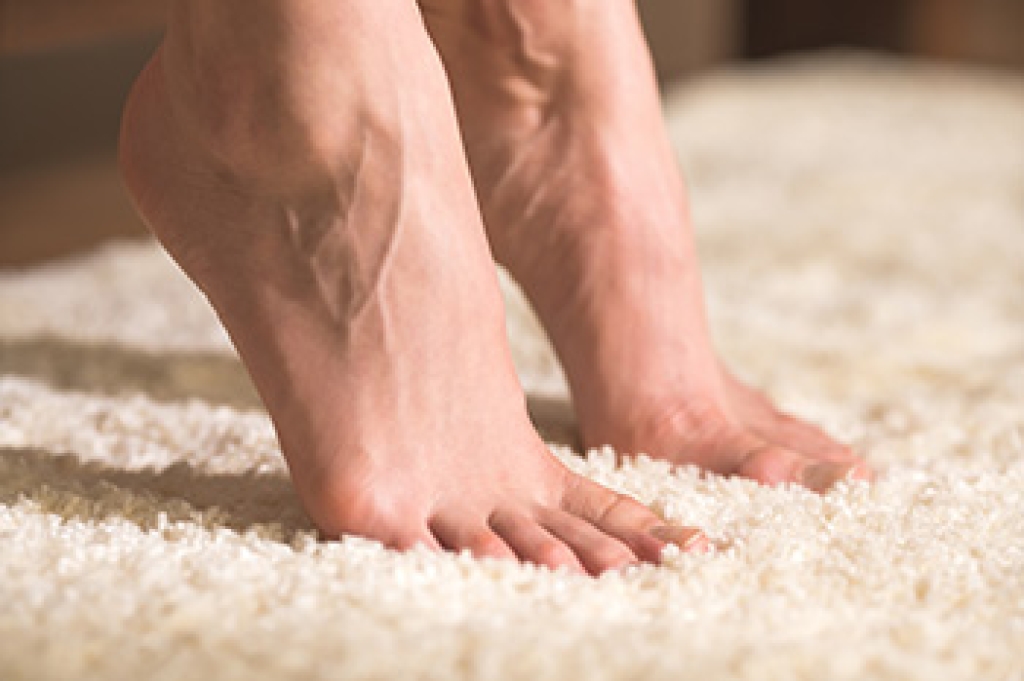
Some foot health exercises can include ankle pumps, tip-toeing, toe rises, lifting off the floor doing reps and sets, and flexing the toes. It is best to speak with Our practitioner to determine an appropriate regimen for your needs. Everyone’s needs and bodies are different, and the activities required to maintain strength in the feet vary from individual to individual. 

Once you get into a routine of doing regular exercise, you may notice a difference in your feet and how strong they may become.

If you have any questions, please feel free to contact our office located in Edgewater . We offer the newest diagnostic and treatment technologies for all your foot care needs.
Read more about Exercise for Your Feet

Facts About Bunions

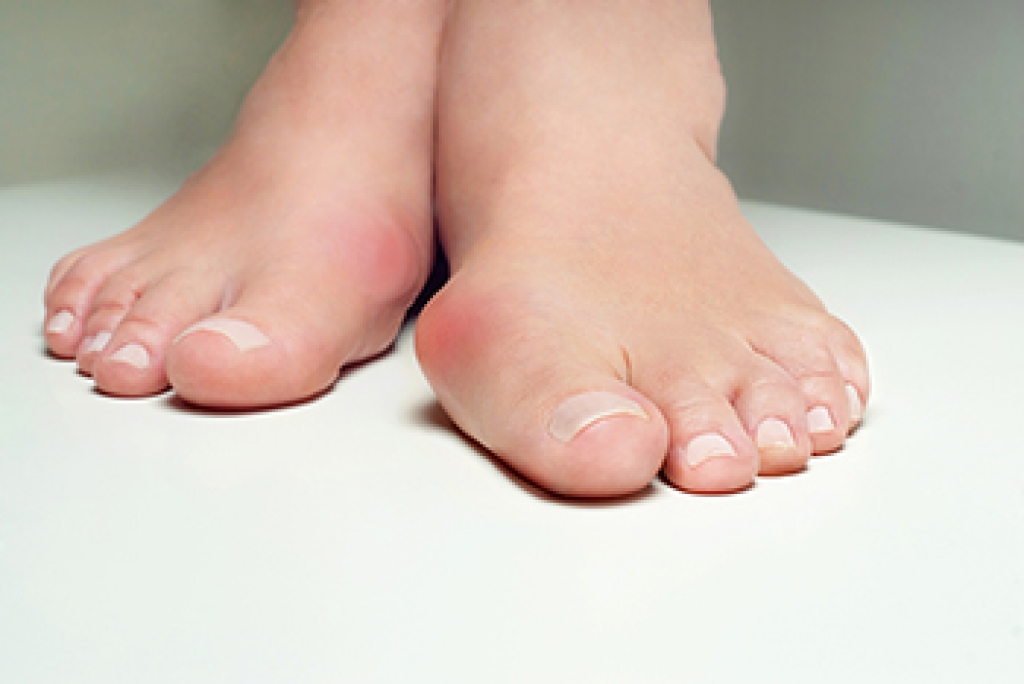
A bunion is a common foot condition that causes a bony bump to form at the base of the big toe. As the condition develops, the big toe gradually shifts toward the smaller toes, which can change the shape of the foot and make certain shoes uncomfortable to wear. Bunions often run in families because inherited foot structure can increase the likelihood of developing them. Common symptoms include pain, swelling and tenderness around the joint. Many have difficulty finding shoes that fit comfortably. Although genetics play a major role, wearing narrow, tight, or high-heeled shoes can place extra pressure on the big toe joint and may worsen symptoms over time. Other risk factors include flat feet, arthritis, and activities that place repeated stress on the front of the foot. Without treatment, a bunion may become larger and more painful. A podiatrist can assess the severity of the condition and recommend footwear modifications, padding, or surgery when necessary. If you have bunion pain, it is suggested that you schedule an appointment with a podiatrist for evaluation and treatment.

If you are suffering from bunions, contact Christopher Murphy, DPM of Murphy Foot and Ankle Medicine and Surgery. Our practitioner can provide the care you need to keep you pain-free and on your feet.

What Is a Bunion?

A bunion is formed of swollen tissue or an enlargement of boney growth, usually located at the base joint of the toe that connects to the foot. The swelling occurs due to the bones in the big toe shifting inward, which impacts the other toes of the foot. This causes the area around the base of the big toe to become inflamed and painful.

Why Do Bunions Form?

Genetics – Susceptibility to bunions are often hereditary

Stress on the feet – Poorly fitted and uncomfortable footwear that places stress on feet, such as heels, can worsen existing bunions

How Are Bunions Diagnosed?

Podiatrists often perform two tests – blood tests and x-rays – when trying to diagnose bunions, especially in the early stages of development. Blood tests help determine if the foot pain is being caused by something else, such as arthritis, while x-rays provide a clear picture of your bone structure to your provider.

How Are Bunions Treated?

  • Refrain from wearing heels or similar shoes that cause discomfort
  • Select wider shoes that can provide more comfort and reduce pain
  • Anti-inflammatory and pain management drugs
  • Orthotics or foot inserts
  • Surgery

If you have any questions, please feel free to contact our office located in Edgewater . We offer the newest diagnostic and treatment technologies for all your foot care needs.

Read more about What Are Bunions?

Foot Pain in Later Years

Foot pain in older adults can come from several conditions that affect bones, joints, and soft tissue. A stress fracture is a small crack in a bone that may occur after a fall or repeated pressure, often causing swelling and sharp pain with movement. Plantar fasciitis is irritation of the thick band along the bottom of the foot, leading to heel pain that feels worse with the first steps in the morning. Additionally, arthritis involves joint inflammation that can cause stiffness, aching, and reduced mobility over time. Risk increases with age, balance changes, and long term wear on the feet. A podiatrist can identify the source of pain, confirm diagnoses with imaging, and create a treatment plan to improve comfort and mobility. If you have developed foot pain as you age, it is suggested that you consult a podiatrist who can offer appropriate relief and treatment solutions.

If you need your feet checked, contact Christopher Murphy, DPM of Murphy Foot and Ankle Medicine and Surgery. Our practitioner will attend to all of your foot and ankle needs and provide you with quality treatment.

Geriatrics and Podiatry
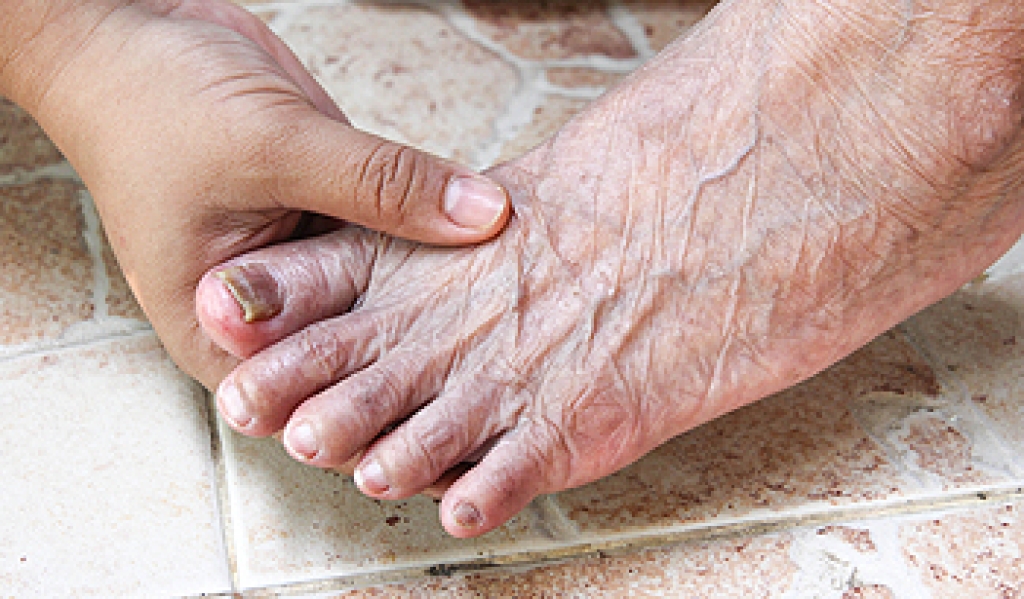
When people age, some common issues that may occur are bone density loss, dry skin, poor circulation, and rough brittle nails. These issues may also affect your foot health if the necessary steps are not taken to alleviate the problems.

It is important to take care of your feet because feet that are injured or diseased can affect your overall health. Having painful feet hinders your ability to do daily activities or may decrease your willingness to do the things that you need to do.

Visiting Your Geriatrician
As we age, health problems become more likely, so it is essential to visit your doctor for check-ups to ensure that you are doing the best you can to take care of your health. It is recommended to check your feet frequently for any possible cuts, bruises, swelling, corns or any other irregularities. 

Taking Care of Elderly Feet
Cracked or dry feet can be treated by applying moisturizer often. It is also important not to wear old socks because the older the sock is, the higher the possibility there will be that there is bacteria there. Wear fresh socks and make sure they fit properly.

Proper foot health means that you can have a more active lifestyle and you will not be bogged down by pain. Foot health also leads to good circulation, which is paramount for overall health.

If you have any questions, please feel free to contact our office located in Edgewater . We offer the newest diagnostic and treatment technologies for all your foot care needs.
Read more about Elderly Foot Care

Are Bunions Affecting Your Everyday Life?

Have you noticed a bony protrusion on the side of your big toe? If so, you may have developed the foot condition known as a bunion. Don't let bunions interfere with your daily activities.

Red Spots on the Feet

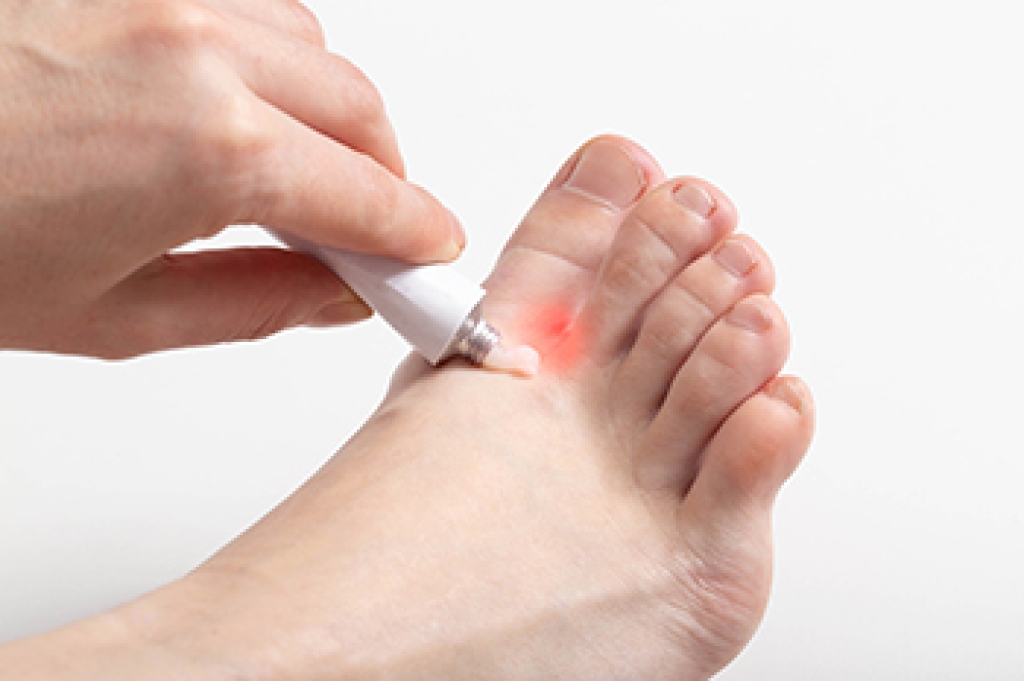
Red spots on the feet can be concerning and may have several causes, including athlete's foot or blisters. Athlete's foot often appears as red, flaky, or scaly patches, sometimes with cracking skin. It is caused by a fungal infection that thrives in warm, moist environments. It may feel itchy, burning, or irritated. Blisters are usually caused by friction from footwear or repetitive movement and may look like raised, fluid filled spots that feel tender, sore, or painful when walking. A podiatrist can help from the start by examining the skin, discussing symptoms, and determining whether the cause is fungal, mechanical, or related to another condition. Treatment may include antifungal medications, protective padding, blister care, or custom orthotics to reduce pressure. Early diagnosis helps prevent worsening symptoms and promotes faster healing and comfort. If you have suspicious red spots on your feet, it is suggested that you schedule an appointment with a podiatrist for effective relief solutions.

Athlete’s Foot

Athlete’s foot is often an uncomfortable condition to experience. Thankfully, podiatrists specialize in treating athlete’s foot and offer the best treatment options. If you have any questions about athlete’s foot, consult with Christopher Murphy, DPM from Murphy Foot and Ankle Medicine and Surgery. Our practitioner will assess your condition and provide you with quality treatment.

What Is Athlete’s Foot?

Tinea pedis, more commonly known as athlete’s foot, is a non-serious and common fungal infection of the foot. Athlete’s foot is contagious and can be contracted by touching someone who has it or infected surfaces. The most common places contaminated by it are public showers, locker rooms, and swimming pools. Once contracted, it grows on feet that are left inside moist, dark, and warm shoes and socks.

Prevention

The most effective ways to prevent athlete’s foot include:

  • Thoroughly washing and drying feet
  • Avoid going barefoot in locker rooms and public showers
  • Using shower shoes in public showers
  • Wearing socks that allow the feet to breathe
  • Changing socks and shoes frequently if you sweat a lot

Symptoms

Athlete’s foot initially occurs as a rash between the toes. However, if left undiagnosed, it can spread to the sides and bottom of the feet, toenails, and if touched by hand, the hands themselves. Symptoms include:

  • Redness
  • Burning
  • Itching
  • Scaly and peeling skin

Diagnosis and Treatment

Diagnosis is quick and easy. Skin samples will be taken and either viewed under a microscope or sent to a lab for testing. Sometimes, a podiatrist can diagnose it based on simply looking at it. Once confirmed, treatment options include oral and topical antifungal medications.

If you have any questions, please feel free to contact our office located in Edgewater . We offer the newest diagnostic and treatment technologies for all your foot care needs.

Read more about Athlete's Foot
scroll to top