
Ankle Pain May Be Caused by Arthritis

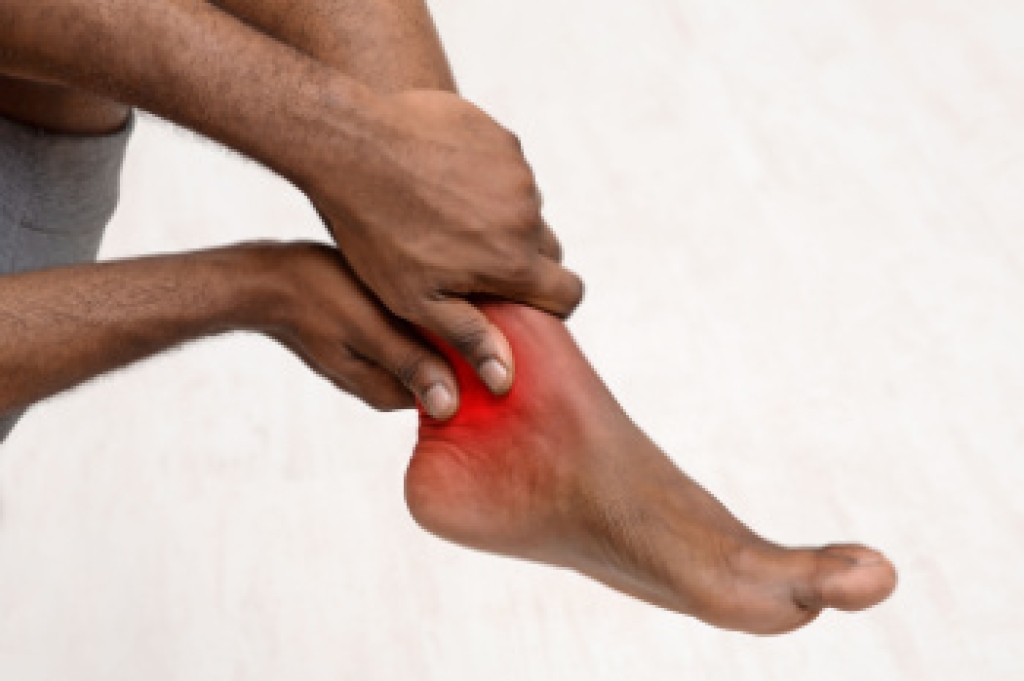
Persistent ankle pain can sometimes point to arthritis, a condition that affects the joints and limits smooth movement. Arthritis develops when the protective tissue between bones wears down or when the body’s immune system attacks joint tissue. This can lead to pain, swelling, stiffness, and reduced motion in the joint. Types of pain that affect the ankle include osteoarthritis, which is linked to joint wear over time, and rheumatoid arthritis, which causes inflammation in both ankles. Gout is another form, caused by crystal buildup in the joint that leads to sudden, intense pain. A podiatrist can examine the ankle and review imaging studies to identify the cause. Treatment plans include reducing joint stress, certain medications, and protecting the joint from further damage. If you have ankle pain, it is suggested that you schedule an appointment with a podiatrist for a diagnosis and appropriate treatment.

Arthritis can be a difficult condition to live with. If you are seeking treatment, contact Christopher Murphy, DPM from Murphy Foot and Ankle Medicine and Surgery. Our practitioner can provide the care you need to keep you pain-free and on your feet.

Arthritic Foot Care  

Arthritis is a joint disorder that involves the inflammation of different joints in your body, such as those in your feet. Arthritis is often caused by a degenerative joint disease and causes mild to severe pain in all affected areas. In addition to this, swelling and stiffness in the affected joints can also be a common symptom of arthritis.

In many cases, wearing ill-fitting shoes can worsen the effects and pain of arthritis. Wearing shoes that have a lower heel and extra room can help your feet feel more comfortable. In cases of rheumatoid arthritis, the arch in your foot may become problematic. Buying shoes with proper arch support that contour to your feet can help immensely.

Alleviating Arthritic Pain

  • Exercises that stretch the foot can prevent further pain and injury and increase mobility
  • Most of the pain can be alleviated with anti-inflammatory drugs, heat, and topical medications
  • Massages can help temporarily alleviate pain.

It is best to see your doctor for the treatment that is right for your needs and symptoms. Conditions vary, and a podiatrist can help you determine the right method of care for your feet.

If you have any questions please feel free to contact our office located in Edgewater . We offer the newest diagnostic tools and technology to treat your foot and ankle needs.

Read more about Arthritic Foot Care

Two Small Bones in the Foot Can Cause Big Pain

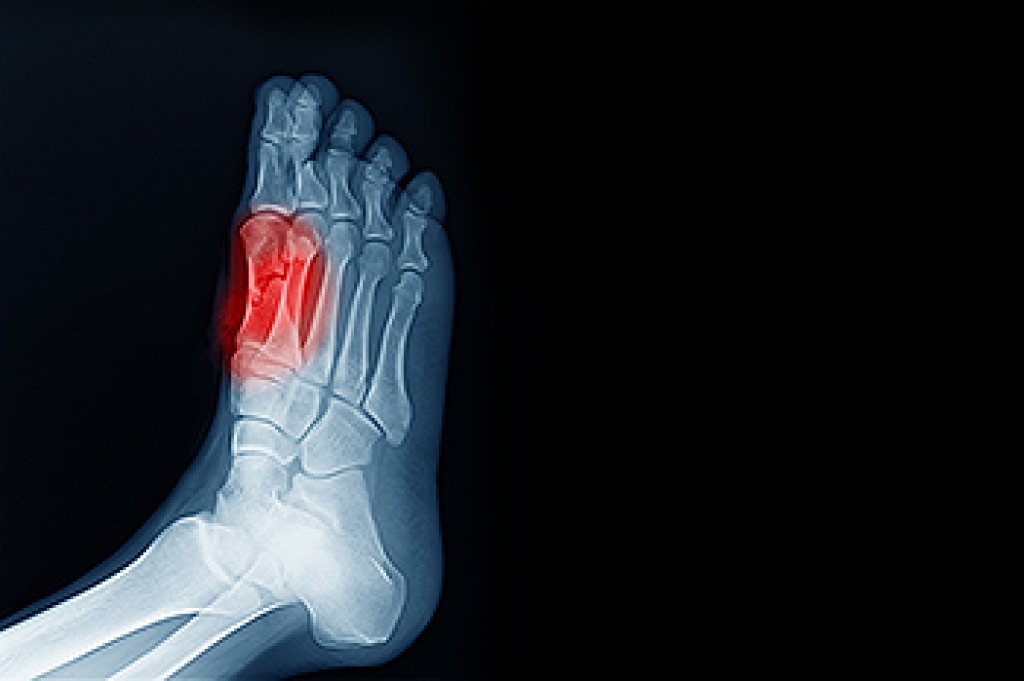
Two tiny bones under the big toe joint, called sesamoids, help the foot handle pressure while walking and running. When these bones or the surrounding tissue become irritated, inflammation can develop. This often causes pain beneath the base of the big toe, especially when walking, standing for long periods of time, or wearing thin-soled or high-heeled shoes. The area may feel swollen, warm, or tender, and bending the big toe can make the pain worse. Repeated stress from dancing, jogging, or wearing poor-fitting shoes often leads to this problem. A podiatrist can examine the foot, check for swelling, and order X-rays to rule out a fracture or arthritis. Treatment of sesamoiditis includes custom orthotics, offloading pads that reduce pressure, and supportive shoes with thicker soles. Pain also can be relieved with anti-inflammatory medicine taken orally and injections to numb the painful area. If you have pain beneath the big toe joint, it is suggested that you schedule an appointment with a podiatrist for an accurate diagnosis and effective treatment.

Sesamoiditis is an unpleasant foot condition characterized by pain in the balls of the feet. If you think you’re struggling with sesamoiditis, contact Christopher Murphy, DPM of Murphy Foot and Ankle Medicine and Surgery. Our practitioner will treat your condition thoroughly and effectively.

Sesamoiditis

Sesamoiditis is a condition of the foot that affects the ball of the foot. It is more common in younger people than it is in older people. It can also occur with people who have begun a new exercise program, since their bodies are adjusting to the new physical regimen. Pain may also be caused by the inflammation of tendons surrounding the bones. It is important to seek treatment in its early stages because if you ignore the pain, this condition can lead to more serious problems such as severe irritation and bone fractures.

Causes of Sesamoiditis

  • Sudden increase in activity
  • Increase in physically strenuous movement without a proper warm up or build up
  • Foot structure: those who have smaller, bonier feet or those with a high arch may be more susceptible

Treatment for sesamoiditis is non-invasive and simple. Doctors may recommend a strict rest period where the patient forgoes most physical activity. This will help give the patient time to heal their feet through limited activity. For serious cases, it is best to speak with your doctor to determine a treatment option that will help your specific needs.

If you have any questions, please feel free to contact our office located in Edgewater . We offer the newest diagnostic and treatment technologies for all your foot care needs.
Read more about Sesamoiditis

Various Causes of Foot Blisters and How to Prevent Them

Foot blisters can develop from a surprising range of factors beyond simple rubbing. Wearing poorly fitting footwear often creates pressure points, while damp conditions from sweat or external moisture soften the skin and make it more vulnerable. Increased activity, especially when breaking in new shoes, can quickly irritate sensitive areas. Certain skin issues, including fungal infections, dermatitis, or reactions to materials, may also trigger blister formation. Environmental extremes such as heat or cold can damage the skin and lead to fluid-filled pockets. Changes in foot shape or walking patterns can shift pressure to unfamiliar areas, increasing risk. While some blisters heal on their own, others may become painful or infected without proper care. If you notice recurring issues with blisters on your feet or slow healing, it is wise to seek professional advice. It is suggested that you schedule a visit with a podiatrist to keep your feet healthy, comfortable, and ready for daily activity.

Blisters may appear as a single bubble or in a cluster. They can cause a lot of pain and may be filled with pus, blood, or watery serum. If your feet are hurting, contact Christopher Murphy, DPM of Murphy Foot and Ankle Medicine and Surgery. Our practitioner can provide the care you need to keep you pain-free and on your feet.

Foot Blisters

Foot blisters are often the result of friction. This happens due to the constant rubbing from shoes, which can lead to pain.

What Are Foot Blisters?

A foot blister is a small fluid-filled pocket that forms on the upper-most layer of the skin. Blisters are filled with clear fluid and can lead to blood drainage or pus if the area becomes infected.

Symptoms

(Blister symptoms may vary depending on what is causing them)

  • Bubble of skin filled with fluid
  • Redness
  • Moderate to severe pain
  • Itching

Prevention & Treatment

In order to prevent blisters, you should be sure to wear comfortable shoes with socks that cushion your feet and absorb sweat. Breaking a blister open may increase your chances of developing an infection. However, if your blister breaks, you should wash the area with soap and water immediately and then apply a bandage to the affected area. If your blisters cause severe pain it is important that you call your podiatrist right away.

If you have any questions, please feel free to contact our office located in Edgewater . We offer the newest diagnostic and treatment technologies for all your foot care needs.

Read more about Blisters
scroll to top