Causes of Toe Pain and How to Find Relief

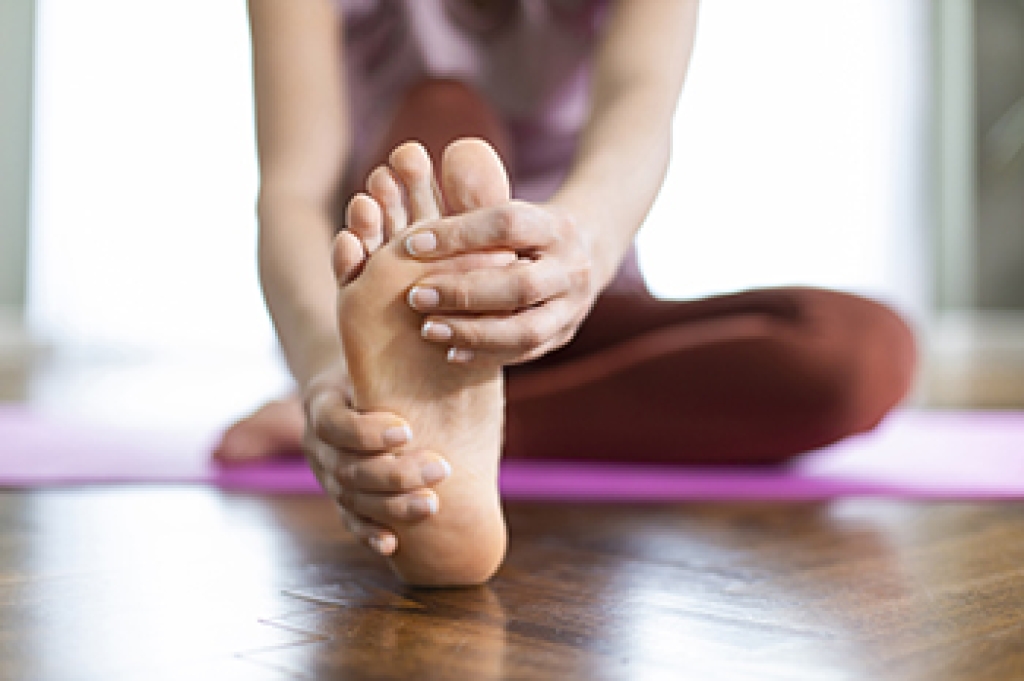
Toe pain can come from many different causes, ranging from minor irritation to more serious conditions. Common reasons include ingrown toenails, corns, calluses, and blisters caused by wearing tight or ill-fitting shoes. Injuries such as stubbing your toe or stress fractures can also lead to pain and swelling. Medical conditions may also play a role. Arthritis can cause stiffness and discomfort in the joints, while gout leads to sudden, intense pain often affecting the big toe. Nerve issues, like pinched nerves or neuropathy, may cause burning or tingling sensations. Infections or fungal nail problems can also contribute to discomfort. Treatment depends on the cause, but may include wearing proper footwear, rest, medications, or minor procedures. Early care can prevent symptoms from worsening. If you are experiencing persistent toe pain, it is suggested that you schedule an appointment with a podiatrist for an accurate diagnosis and effective treatment plan.

Toe pain can disrupt your daily activities. If you have any concerns, contact Christopher Murphy, DPM of Murphy Foot and Ankle Medicine and Surgery. Our practitioner can provide the care you need to keep you pain-free and on your feet.

What Causes Toe Pain?

Most severe toe pain is caused due to a sports injury, trauma from dropping something heavy on the toe, or bumping into something rigid. Other problems can develop over time for various reasons.

Toe pain can be caused by one or more ailments. The most common include:

  • Trauma
  • Sports injury
  • Wearing shoes that are too tight
  • Arthritis
  • Gout
  • Corns and calluses
  • Hammertoe
  • Bunions
  • Blisters
  • Ingrown toenails
  • Sprains
  • Fractures (broken bones)
  • Dislocations

When to See a Podiatrist

  • Severe pain
  • Persistent pain that lasts more than a week
  • Signs of infection
  • Continued swelling
  • Pain that prevents walking

Diagnosis

In many cases the cause of toe pain is obvious, but in others, a podiatrist may want to use more advanced methods to determine the problem. These can range from simple visual inspections and sensation tests to X-rays and MRI scans. Prior medical history, family medical history, and any recent physical traumatic events will all be taken into consideration for a proper diagnosis.

Treatment

Treatments for toe pain and injuries vary and may include shoe inserts, padding, taping, medicines, injections, and in some cases, surgery. If you believe that you have broken a toe, please see a podiatrist as soon as possible.

If you have any questions please contact our office located in Edgewater . We offer the newest diagnostic and treatment technologies for all your foot and ankle needs.

Read more about Toe Pain

When Athlete’s Foot Affects Confidence and Comfort

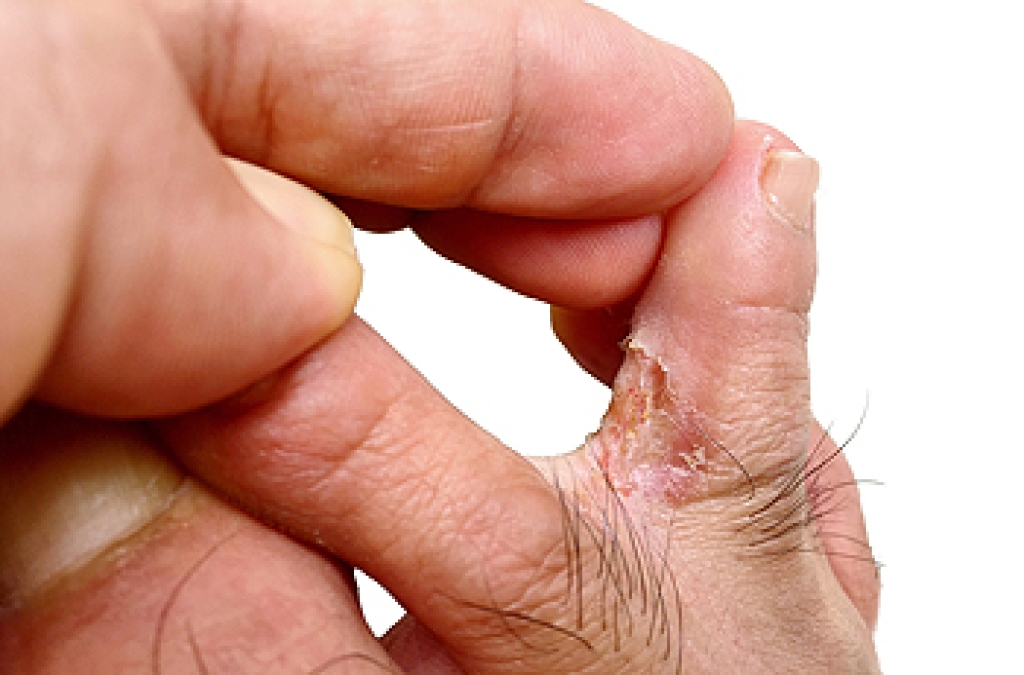
Tinea pedis, often called athlete’s foot, is a common fungal skin condition that affects the feet, especially between the toes. It can cause itching, peeling, cracking, and a noticeable odor, which many people find embarrassing in social or personal settings. The skin may look dry or inflamed, and, in some cases, small blisters can form. Warm, moist environments such as sweaty shoes or locker rooms often allow this condition to develop and spread. Beyond appearance, untreated cases can lead to deeper skin damage or secondary infection. Care typically includes antifungal creams, keeping feet clean and dry, and wearing breathable footwear. Avoiding shared surfaces without protection can also help prevent reinfection. Addressing the condition early can improve both comfort and confidence. If athlete’s foot symptoms continue or worsen, it is suggested that you see a podiatrist for a proper diagnosis and appropriate treatment.

Athlete’s foot is an inconvenient condition that can be easily reduced with the proper treatment. If you have any concerns about your feet and ankles, contact Christopher Murphy, DPM from Murphy Foot and Ankle Medicine and Surgery.  Our practitioner will treat your foot and ankle needs.

Athlete’s Foot: The Sole Story

Athlete's foot, also known as tinea pedis, can be an extremely contagious foot infection. It is commonly contracted in public changing areas and bathrooms, dormitory style living quarters, around locker rooms and public swimming pools, or anywhere your feet often come into contact with other people.

Solutions to Combat Athlete’s Foot

  • Hydrate your feet by using lotion
  • Exfoliate
  • Buff off nails
  • Use of anti-fungal products
  • Examine your feet and visit your doctor if any suspicious blisters or cuts develop

Athlete’s foot can cause many irritating symptoms such as dry and flaking skin, itching, and redness. Some more severe symptoms can include bleeding and cracked skin, intense itching and burning, and even pain when walking. In the worst cases, Athlete’s foot can cause blistering as well. Speak to your podiatrist for a better understanding of the different causes of Athlete’s foot, as well as help in determining which treatment options are best for you.

If you have any questions please feel free to contact our office located in Edgewater . We offer the newest diagnostic and treatment technologies for all your foot and ankle needs.
Read more about Athlete’s Foot

Dealing With Painful Gout Attacks

Gout is a form of inflammatory arthritis that often appears without warning, frequently affecting the big toe. The joint may become intensely painful, red, warm, and swollen, sometimes overnight. The skin can look tight or shiny, and even light pressure from a sheet may feel uncomfortable. This condition develops when uric acid builds up in the bloodstream and forms sharp crystals within the joint. Triggers may include certain foods, dehydration, alcohol use, or underlying medical conditions that affect how the body processes uric acid. A podiatrist can identify gout through a physical exam, medical history, and diagnostic testing. Treatment focuses on reducing inflammation and preventing future attacks through medication, lifestyle adjustments, and supportive care. Addressing symptoms early can help protect the joint from long-term damage. If you suspect you have gout, it is suggested that you make an appointment with a podiatrist.

Gout is a painful condition that can be treated. If you are seeking treatment, contact Christopher Murphy, DPM from Murphy Foot and Ankle Medicine and Surgery. Our practitioner will treat your foot and ankle needs.

What Is Gout?

Gout is a form of arthritis that is characterized by sudden, severe attacks of pain, redness, and tenderness in the joints. The condition usually affects the joint at the base of the big toe. A gout attack can occur at any random time, such as the middle of the night while you are asleep.

Symptoms

  • Intense Joint Pain - Usually around the large joint of your big toe, and it most severe within the first four to twelve hours
  • Lingering Discomfort - Joint discomfort may last from a few days to a few weeks
  • Inflammation and Redness -Affected joints may become swollen, tender, warm and red
  • Limited Range of Motion - May experience a decrease in joint mobility

Risk Factors

  • Genetics - If family members have gout, you’re more likely to have it
  • Medications - Diuretic medications can raise uric acid levels
  • Gender/Age - Gout is more common in men until the age of 60. It is believed that estrogen protects women until that point
  • Diet - Eating red meat and shellfish increases your risk
  • Alcohol - Having more than two alcoholic drinks per day increases your risk
  • Obesity - Obese people are at a higher risk for gout

Prior to visiting your podiatrist to receive treatment for gout, there are a few things you should do beforehand. If you have gout you should write down your symptoms--including when they started and how often you experience them, important medical information you may have, and any questions you may have. Writing down these three things will help your podiatrist in assessing your specific situation so that he or she may provide the best route of treatment for you.

If you have any questions, please feel free to contact our office located in Edgewater . We offer the newest diagnostic and treatment technologies for all your foot care needs.

Read more about Gout

How Feet Change Over the Years and Why They Are Easy to Ignore

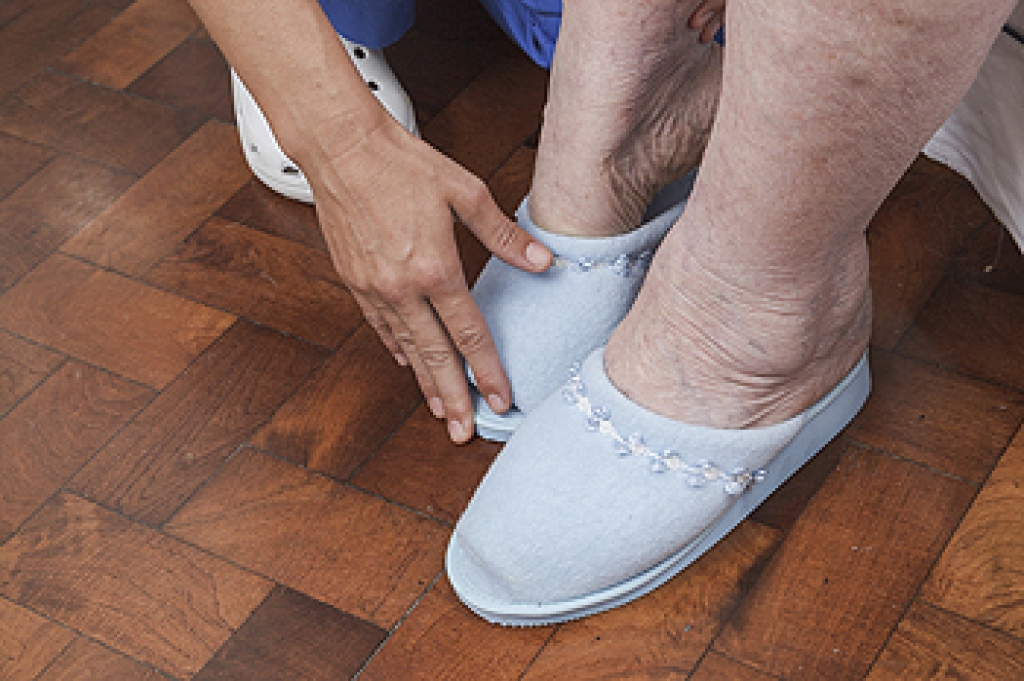
Feet often get less attention than other parts of the body, yet they change with each decade. In early adulthood, long hours on the feet, sports, and wearing tight shoes can lead to strain and early wear. In midlife, arches may begin to lower, and weight changes can increase pressure on joints and soft tissue. By later years, skin may thin and dry, nails can thicken, and circulation and sensation may decline, raising the risk of unnoticed problems. Because many changes happen slowly, they are easy to overlook until discomfort appears. Taking time to check your feet, wear supportive shoes, and keep skin and nails well cared for can make a difference at any age, but especially in older age. If you notice changes to your feet that concern you or do not improve, it is suggested that you see a podiatrist for a proper diagnosis and appropriate care.

Proper foot care is something many older adults forget to consider. If you have any concerns about your feet and ankles, contact Christopher Murphy, DPM from Murphy Foot and Ankle Medicine and Surgery. Our practitioner can provide the care you need to keep you pain-free and on your feet.

The Elderly and Their Feet

As we age we start to notice many changes in our body, but the elder population may not notice them right away. Medical conditions may prevent the elderly to take notice of their foot health right away. Poor vision is a lead contributor to not taking action for the elderly.

Common Conditions 

  • Neuropathy – can reduce feeling in the feet and can hide many life-threatening medical conditions.
  • Reduced flexibility – prevents the ability of proper toenail trimming, and foot cleaning. If left untreated, it may lead to further medical issues.
  • Foot sores – amongst the older population can be serious before they are discovered. Some of the problematic conditions they may face are:
  • Gouging toenails affecting nearby toe
  • Shoes that don’t fit properly
  • Pressure sores
  • Loss of circulation in legs & feet
  • Edema & swelling of feet and ankles

Susceptible Infections

Diabetes and poor circulation can cause general loss of sensitivity over the years, turning a simple cut into a serious issue.

If you have any questions, please feel free to contact our office located in Edgewater . We offer the newest diagnostic and treatment technologies for all your foot care needs.

Read more about Elderly and their Feet

Inspect Your Feet Regularly for Abnormalities if You're Diabetic

Diabetic patients often have decreased sensitivity in their feet, which makes a visual inspection of the feet even more important. If you're diabetic, having periodic screenings is extremely important for maintaining the overall health of your feet. 

scroll to top