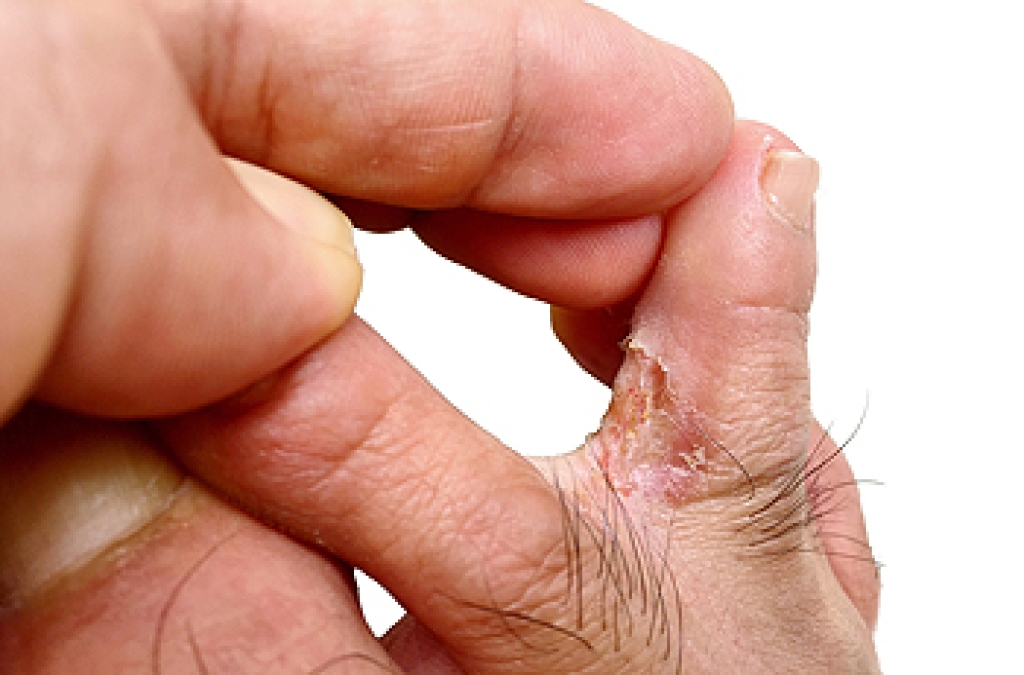
Types and Symptoms of Athlete’s Foot

Athlete’s foot infections affect the skin on the feet and often start between the toes or on the soles. Interdigital infections involve red, flaky patches in the spaces between the toes, where the skin can split or soften when damp. A moccasin infection affects the bottom, sides and heels of the foot and causes thick, dry and scaly skin that can look like stubborn dryness. Both types of athlete’s foot infections cause itching, burning, peeling and a strong odor. The fungus that causes the infection spreads easily on warm, damp surfaces, including locker rooms, pool decks and shower floors, especially while barefoot. Wearing tight shoes and sweaty socks give the fungus the heat and moisture it needs to thrive. A podiatrist can examine damaged areas and recommend a treatment to clear the infection. If you have symptoms of an athlete's foot infection, it is suggested that you schedule an appointment with a podiatrist for a diagnosis and appropriate treatment.

Athlete’s Foot

Athlete’s foot is often an uncomfortable condition to experience. Thankfully, podiatrists specialize in treating athlete’s foot and offer the best treatment options. If you have any questions about athlete’s foot, consult with Christopher Murphy, DPM from Murphy Foot and Ankle Medicine and Surgery. Our practitioner will assess your condition and provide you with quality treatment.

What Is Athlete’s Foot?

Tinea pedis, more commonly known as athlete’s foot, is a non-serious and common fungal infection of the foot. Athlete’s foot is contagious and can be contracted by touching someone who has it or infected surfaces. The most common places contaminated by it are public showers, locker rooms, and swimming pools. Once contracted, it grows on feet that are left inside moist, dark, and warm shoes and socks.

Prevention

The most effective ways to prevent athlete’s foot include:

  • Thoroughly washing and drying feet
  • Avoid going barefoot in locker rooms and public showers
  • Using shower shoes in public showers
  • Wearing socks that allow the feet to breathe
  • Changing socks and shoes frequently if you sweat a lot

Symptoms

Athlete’s foot initially occurs as a rash between the toes. However, if left undiagnosed, it can spread to the sides and bottom of the feet, toenails, and if touched by hand, the hands themselves. Symptoms include:

  • Redness
  • Burning
  • Itching
  • Scaly and peeling skin

Diagnosis and Treatment

Diagnosis is quick and easy. Skin samples will be taken and either viewed under a microscope or sent to a lab for testing. Sometimes, a podiatrist can diagnose it based on simply looking at it. Once confirmed, treatment options include oral and topical antifungal medications.

If you have any questions, please feel free to contact our office located in Edgewater . We offer the newest diagnostic and treatment technologies for all your foot care needs.

Read more about How to Deal with Athlete's Foot

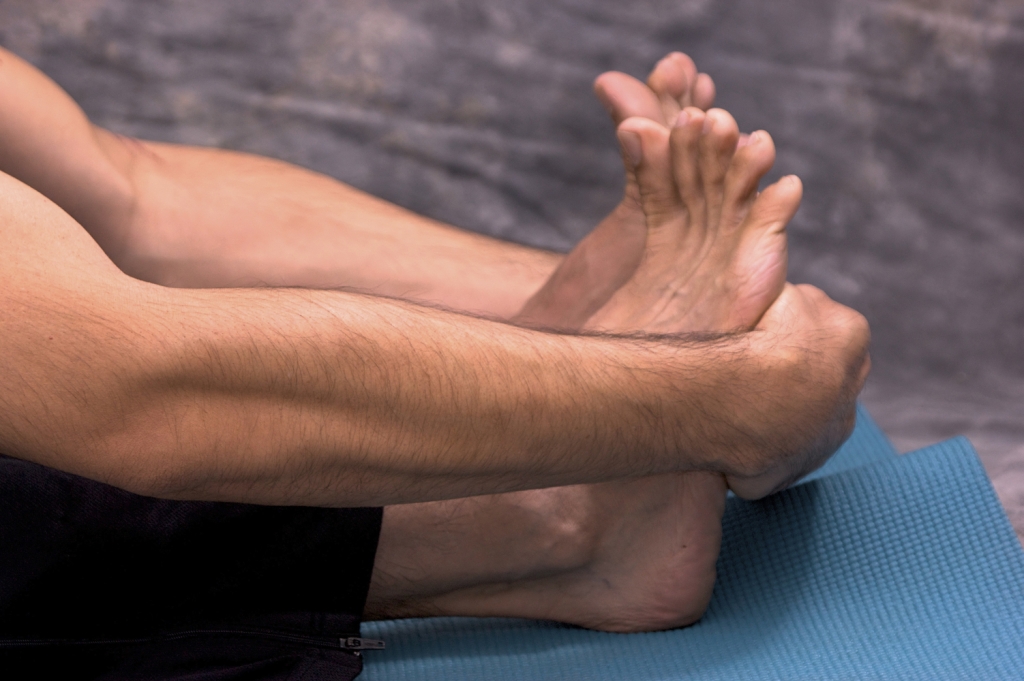
Benefits of Stretching Toes and Feet

Many people do not realize how much flexibility in the toes influences balance, posture, and the way the feet move throughout the day. When the toes become stiff or the arch muscles are underused, walking and running can feel less stable and can even lead to discomfort in the feet, calves, and ankles. A helpful stretch involves using your hands to guide the toes into a gentle bending motion at the base joints, encouraging them to lengthen and lift in the correct places. Placing your fingers under the sole and your thumbs on top of the toes allows you to support the foot while easing the toes downward and away from the body. Holding the stretch for several deep breaths helps awaken the small muscles that support the arch and improves overall mobility. Practicing this regularly can promote stronger movement patterns and more comfortable steps. If you have foot or toe pain, it is suggested that you see a podiatrist for treatment, which may include additional stretches.

Stretching the feet is a great way to prevent injuries. If you have any concerns with your feet consult with Christopher Murphy, DPM from Murphy Foot and Ankle Medicine and Surgery. Our practitioner will assess your condition and provide you with quality foot and ankle treatment.

Stretching the Feet

Being the backbone of the body, the feet carry your entire weight and can easily become overexerted, causing cramps and pain. As with any body part, stretching your feet can serve many benefits. From increasing flexibility to even providing some pain relief, be sure to give your feet a stretch from time to time. This is especially important for athletes or anyone performing aerobic exercises, but anyone experiencing foot pain or is on their feet constantly should also engage in this practice.

Great ways to stretch your feet:

  • Crossing one leg over the others and carefully pull your toes back. Do 10-20 repetitions and repeat the process for each foot
  • Face a wall with your arms out and hands flat against the wall. Step back with one foot and keep it flat on the floor while moving the other leg forward. Lean towards the wall until you feel a stretch. Hold for 30 seconds and perform 10 repetitions for each foot
  • Be sure not to overextend or push your limbs too hard or you could risk pulling or straining your muscle

Individuals who tend to their feet by regular stretching every day should be able to minimize foot pain and prevent new problems from arising.

If you have any questions please contact our office located in Edgewater . We offer the newest diagnostic and treatment technologies for all your foot and ankle needs.

Read more about Stretching Your Feet

Keep Your Feet Healthy So You Can Stay Active

Have your feet inspected by a professional before starting a new sport or physical activity. Taking charge of your foot health will keep you in good physical condition and can help you avoid a potential injury, such as a fracture or sprained ankle.

Prevent injuries and see a foot specialist.

Understanding Flat Feet and Fallen Arches

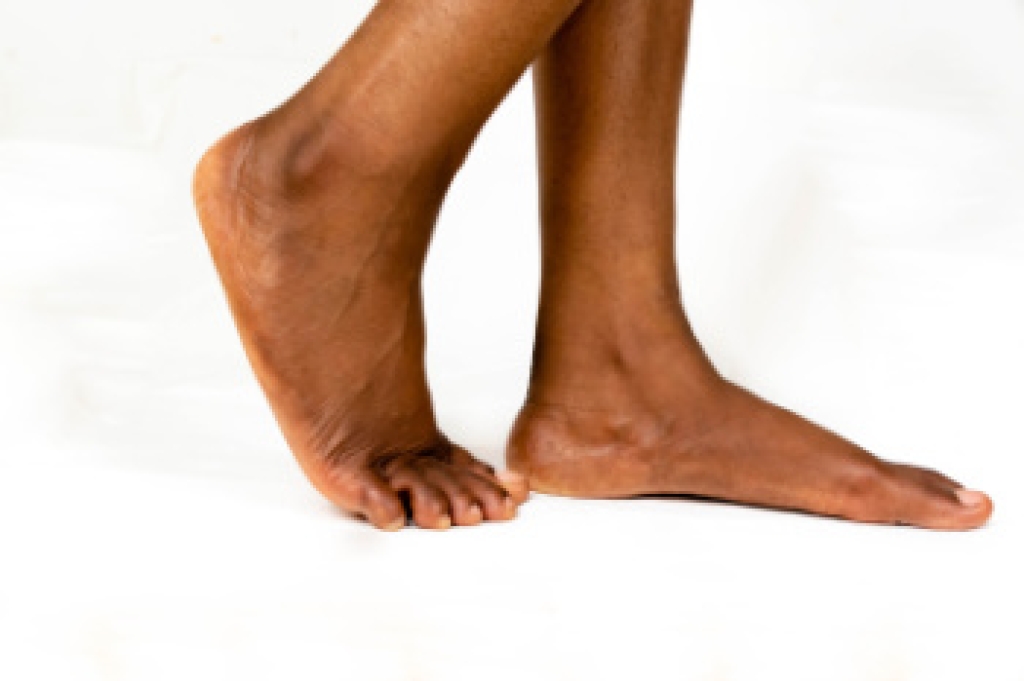
Flat feet and fallen arches can affect balance, comfort, and the way pressure moves across the feet with each step. Some people are born with low arches while others develop them over time, due to aging, injury, excess weight, or weakened tendons. When the arch flattens, the feet may feel tired, achy, or unstable, especially after long periods of standing or walking. Swelling along the inner side of the foot or ankle can appear, and shoes may wear down unevenly. Some individuals notice discomfort in the knees, hips, or lower back because the body begins to compensate for the altered foot structure. Paying attention to these changes supports long-term mobility and reduces strain on joints. If you have persistent foot fatigue, pain, or difficulty with stability, it is suggested that you see a podiatrist for effective management tips.

Flatfoot is a condition many people suffer from. If you have flat feet, contact Christopher Murphy, DPM from Murphy Foot and Ankle Medicine and Surgery. Our practitioner will treat your foot and ankle needs.

What Are Flat Feet?

Flatfoot is a condition in which the arch of the foot is depressed and the sole of the foot is almost completely in contact with the ground. About 20-30% of the population generally has flat feet because their arches never formed during growth.

Conditions & Problems:

Having flat feet makes it difficult to run or walk because of the stress placed on the ankles.

Alignment – The general alignment of your legs can be disrupted, because the ankles move inward which can cause major discomfort.

Knees – If you have complications with your knees, flat feet can be a contributor to arthritis in that area.  

Symptoms

  • Pain around the heel or arch area
  • Trouble standing on the tip toe
  • Swelling around the inside of the ankle
  • Flat look to one or both feet
  • Having your shoes feel uneven when worn

Treatment

If you are experiencing pain and stress on the foot you may weaken the posterior tibial tendon, which runs around the inside of the ankle. 

If you have any questions, please feel free to contact our office located in Edgewater . We offer the newest diagnostic and treatment technologies for all your foot care needs.
Read more about Flat Feet

Identifying and Treating Heel Pain

Heel pain can result from several causes, including plantar fasciitis, fractures, or tendonitis. Plantar fasciitis occurs when the thick band of tissue that connects the heel to the toes becomes inflamed, often due to overuse, improper footwear, or high impact activities. Heel fractures can result from trauma or stress and may cause swelling, bruising, or difficulty walking. Tendonitis involves inflammation of the tendons around the heel, often from repetitive strain or sudden increases in activity. Heel pain may look subtle from the outside but can feel sharp, stabbing, or aching, especially with the first steps in the morning or after prolonged activity. A podiatrist can diagnose the cause through physical examination, imaging if needed, and gait analysis. Treatment may include stretching, orthotics, supportive footwear, anti-inflammatory therapies, or targeted interventions for fractures. Early evaluation supports faster healing and prevents chronic pain. If you experience persistent heel discomfort, it is suggested that you make an appointment with a podiatrist. 

Many people suffer from bouts of heel pain. For more information, contact Christopher Murphy, DPM of Murphy Foot and Ankle Medicine and Surgery. Our practitioner can provide the care you need to keep you pain-free and on your feet.

Causes of Heel Pain

Heel pain is often associated with plantar fasciitis. The plantar fascia is a band of tissues that extends along the bottom of the foot. A rip or tear in this ligament can cause inflammation of the tissue.

Achilles tendonitis is another cause of heel pain. Inflammation of the Achilles tendon will cause pain from fractures and muscle tearing. Lack of flexibility is also another symptom.

Heel spurs are another cause of pain. When the tissues of the plantar fascia undergo a great deal of stress, it can lead to ligament separation from the heel bone, causing heel spurs.

Why Might Heel Pain Occur?

  • Wearing ill-fitting shoes                
  • Wearing non-supportive shoes
  • Weight change           
  • Excessive running

Treatments

Heel pain should be treated as soon as possible for immediate results. Keeping your feet in a stress-free environment will help. If you suffer from Achilles tendonitis or plantar fasciitis, applying ice will reduce the swelling. Stretching before an exercise like running will help the muscles. Using all these tips will help make heel pain a condition of the past.

If you have any questions, please feel free to contact our office located in Edgewater . We offer the newest diagnostic and treatment technologies for all your foot care needs.

Read more about Heel Pain
scroll to top