
Painful Corns on the Feet

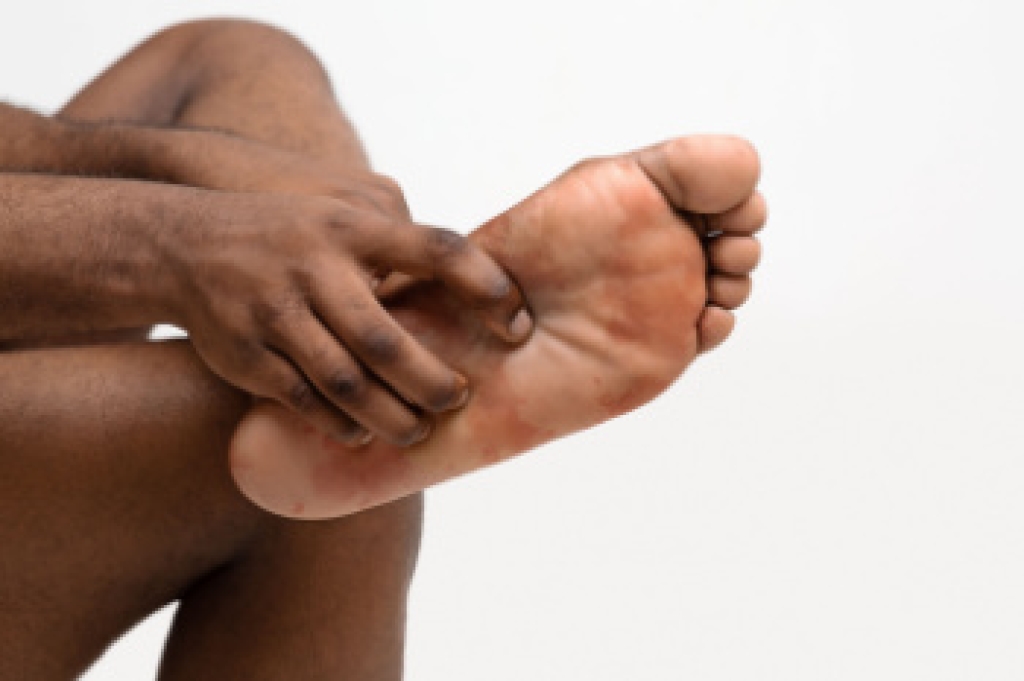
Corns are thickened areas of skin that develop in response to repeated pressure or friction, often caused by tight footwear, abnormal foot structure, or gait issues. They may appear as small, hard, circular patches of skin that are yellowish or translucent, sometimes with a firm core at the center. Corns often feel tender or sharp when pressed, and walking can become uncomfortable when the pressure increases. Some individuals may notice soreness, burning, or irritation around the affected area. A podiatrist can begin by carefully examining the foot to determine the cause of the corn and to rule out other conditions. Treatment may include gentle removal of the thickened skin, offloading with padding, advice on proper footwear, or custom orthotics to reduce pressure and prevent recurrence. In some cases, a podiatrist may address underlying biomechanical issues to support long-term relief. If you notice persistent discomfort or thickened skin on your feet, it is suggested that you make an appointment with a podiatrist. 

Corns can make walking very painful and should be treated immediately. If you have questions regarding your feet and ankles, contact Christopher Murphy, DPM of Murphy Foot and Ankle Medicine and Surgery. Our practitioner will treat your foot and ankle needs.

Corns: What Are They? And How Do You Get Rid of Them?
Corns are thickened areas on the skin that can become painful. They are caused by excessive pressure and friction on the skin. Corns press into the deeper layers of the skin and are usually round in shape.

Ways to Prevent Corns
There are many ways to get rid of painful corns such as:

  • Wearing properly fitting shoes that have been measured by a professional
  • Wearing shoes that are not sharply pointed or have high heels
  • Wearing only shoes that offer support

Treating Corns

Although most corns slowly disappear when the friction or pressure stops, this isn’t always the case. Consult with your podiatrist to determine the best treatment option for your case of corns.

If you have any questions, please feel free to contact our office located in Edgewater . We offer the newest diagnostic and treatment technologies for all your foot care needs.

Read more about Corns: What Are They, and How Do You Get Rid of Them

Understanding Plantar Fasciitis and How to Find Relief

Plantar fasciitis is one of the most common causes of heel pain and affects people of all ages and activity levels. It occurs when the thick band of tissue that connects the heel bone to the toes becomes inflamed, often due to overuse, high arches, flat feet, or prolonged standing. Symptoms typically include sharp heel pain, especially with the first steps in the morning or after sitting for long periods. The foot may feel tight, sore, or swollen along the bottom, and discomfort often worsens after exercise. A podiatrist can diagnose plantar fasciitis through a physical exam, gait evaluation, and imaging when needed. Treatment includes stretching exercises, custom orthotics, or supportive footwear. Early care can prevent chronic pain and help restore mobility. It is suggested that you make an appointment with a podiatrist to relieve your heel pain and promote healthy movement.

Plantar fasciitis can be very painful and inconvenient. If you are experiencing heel pain or symptoms of plantar fasciitis, contact Christopher Murphy, DPM  from Murphy Foot and Ankle Medicine and Surgery. Our practitioner can provide the care you need to keep you pain-free and on your feet.

What Is Plantar Fasciitis?

Plantar fasciitis is the inflammation of the thick band of tissue that runs along the bottom of your foot, known as the plantar fascia, and causes mild to severe heel pain.

What Causes Plantar Fasciitis?

  • Excessive running
  • Non-supportive shoes
  • Overpronation
  • Repeated stretching and tearing of the plantar fascia

How Can It Be Treated?

  • Conservative measures – anti-inflammatories, ice packs, stretching exercises, physical therapy, orthotic devices
  • Shockwave therapy – sound waves are sent to the affected area to facilitate healing and are usually used for chronic cases of plantar fasciitis
  • Surgery – usually only used as a last resort when all else fails. The plantar fascia can be surgically detached from the heel

While very treatable, plantar fasciitis is definitely not something that should be ignored. Especially in severe cases, speaking to your doctor right away is highly recommended to avoid complications and severe heel pain. Your podiatrist can work with you to provide the appropriate treatment options tailored to your condition.

If you have any questions, please feel free to contact our office located in Edgewater . We offer the newest diagnostic and treatment technologies for all your foot care needs.

Read more about Plantar Fasciitis

We Can Treat Your Foot or Ankle Pain

Foot or ankle pain can negatively affect your day-to-day life and can occur due to several different conditions. Pain can also be an indicator of a more serious underlying condition, which is why you should seek professional help as soon as you notice any abnormalities in your feet.

Common Foot Surgeries

Foot pain can often be attributed to a number of conditions, including bunions, hammertoe, metatarsalgia, and neuromas, that require surgical intervention. Bunions are painful bony bumps on the side of the foot, caused by misalignment of the toe joint. Hammertoe, where the toe bends abnormally, results from muscle imbalances, often worsened by tight shoes. Metatarsalgia refers to pain in the ball of the foot, usually from overuse or improper footwear, while a neuroma is a thickening of tissue around nerves in the foot, causing sharp, burning pain. Symptoms for these conditions include pain, swelling, deformity, and difficulty walking. Conservative treatments like footwear changes or orthotics can help, but surgery may be needed for severe cases. Surgical options vary, from joint realignment to nerve decompression, depending on the condition. A podiatrist can evaluate your symptoms and recommend the most appropriate surgical or non-surgical treatment for relief. If you are dealing with one of these conditions, it is suggested that you make an appointment with a podiatrist.

Foot surgery is sometimes necessary to treat a foot ailment. To learn more, contact Christopher Murphy, DPM of Murphy Foot and Ankle Medicine and Surgery. Our practitioner will assist you with all of your foot and ankle needs.

When Is Surgery Necessary?

Foot and ankle surgery is generally reserved for cases in which less invasive, conservative procedures have failed to alleviate the problem. Some of the cases in which surgery may be necessary include:

  • Removing foot deformities like bunions and bone spurs
  • Severe arthritis that has caused bone issues
  • Cosmetic reconstruction

What Types of Surgery Are There?

The type of surgery you receive will depend on the nature of the problem you have. Some of the possible surgeries include:

  • Bunionectomy for painful bunions
  • Surgical fusion for realignment of bones
  • Neuropathy decompression surgery to treat nerve damage

Benefits of Surgery

Although surgery is usually a last resort, it can provide more complete pain relief compared to non-surgical methods and may allow you to finally resume full activity.

Surgical techniques have also become increasingly sophisticated. Techniques like endoscopic surgery allow for smaller incisions and faster recovery times.

If you have any questions, please feel free to contact our office located in Edgewater . We offer the newest diagnostic and treatment technologies for all your foot care needs.
Read more about Foot and Ankle Surgery

Understanding Fused Joints in the Feet

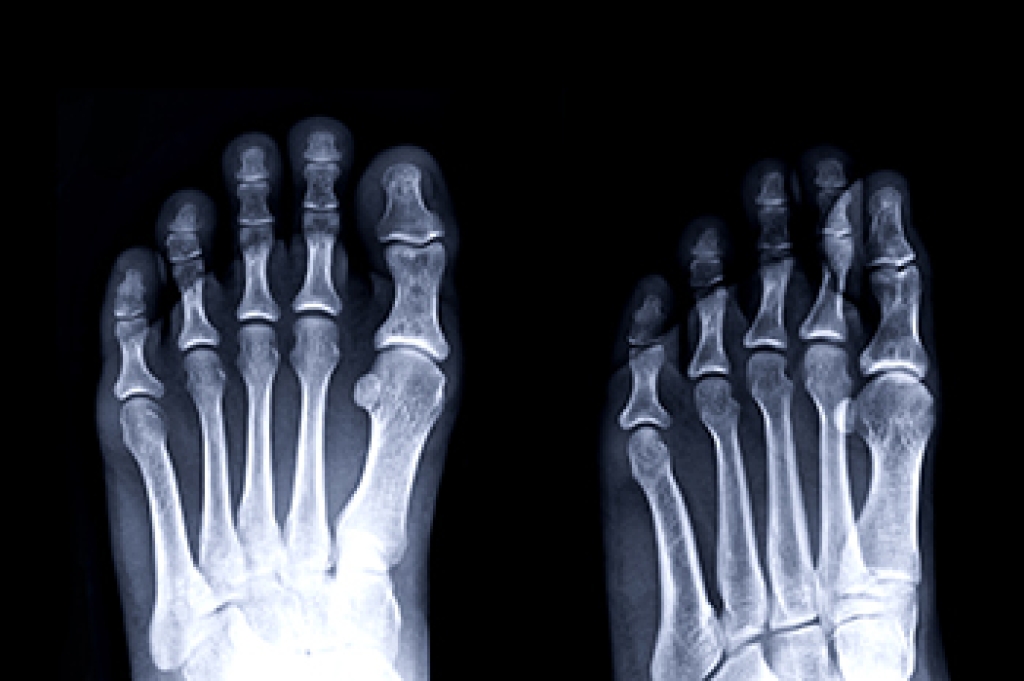
Symphalangism is a rare condition where the joints between certain bones are fused, limiting normal movement. In the feet, it often affects the toe joints, most commonly the middle joint of a toe, and results in stiffness and reduced flexibility. Causes may be genetic, as the condition is usually inherited, although it can also develop from abnormal bone growth. Symptoms include rigid toes that do not bend, discomfort while walking, difficulty finding comfortable shoes, and, in some cases, pain from pressure or altered gait. A podiatrist can help by evaluating the severity of the condition, recommending custom orthotics, providing supportive footwear advice, and offering treatment to reduce discomfort. If you have stiff or immobile toes, it is suggested that you consult a podiatrist who can accurately diagnose and offer relief solutions for what may be going on.

Some foot conditions may require additional professional care. If you have any concerns, contact Christopher Murphy, DPM of Murphy Foot and Ankle Medicine and Surgery. Our practitioner can provide the care you need to keep you pain-free and on your feet.

Rare Foot Conditions

The majority of foot conditions are common and can be treated by a podiatrist.  Standard diagnostic procedures are generally used to identify specific conditions and treatment can be rendered. A podiatrist also treats rare foot conditions which can be difficult to diagnose and may need extra attention and care. 

There are many rare foot conditions that can affect children. Some of these can include:

  • Freiberg’s disease
  • Kohler’s disease
  • Maffucci syndrome

Freiberg’s disease - This can be seen as a deterioration and flattening of a metatarsal bone that exists in the ball of the foot. It typically affects pre-teen and teenage girls, but can affect anyone at any age. Symptoms that can accompany this can be swelling, stiffness, and the patient may limp. 

Kohler’s disease - This often targets the bone in the arch of the foot and affects younger boys. It can lead to an interruption of the blood supply which ultimately can lead to bone deterioration. The patient may limp or experience tenderness, swelling, and redness.

Maffucci syndrome - This affects the long bones in a child’s foot leading to the development of abnormal bone lesions. They are benign growths and typically develop in early childhood and the bones may be susceptible to breaking. 

A podiatrist can properly diagnose and treat all types of rare foot conditions. If your child is affected by any of these symptoms or conditions, please don’t hesitate to call our office so the correct treatment method can begin.

If you have any questions, please feel free to contact our office located in Edgewater . We offer the newest diagnostic and treatment technologies for all your foot care needs.

Read more about Rare Foot Conditions
scroll to top