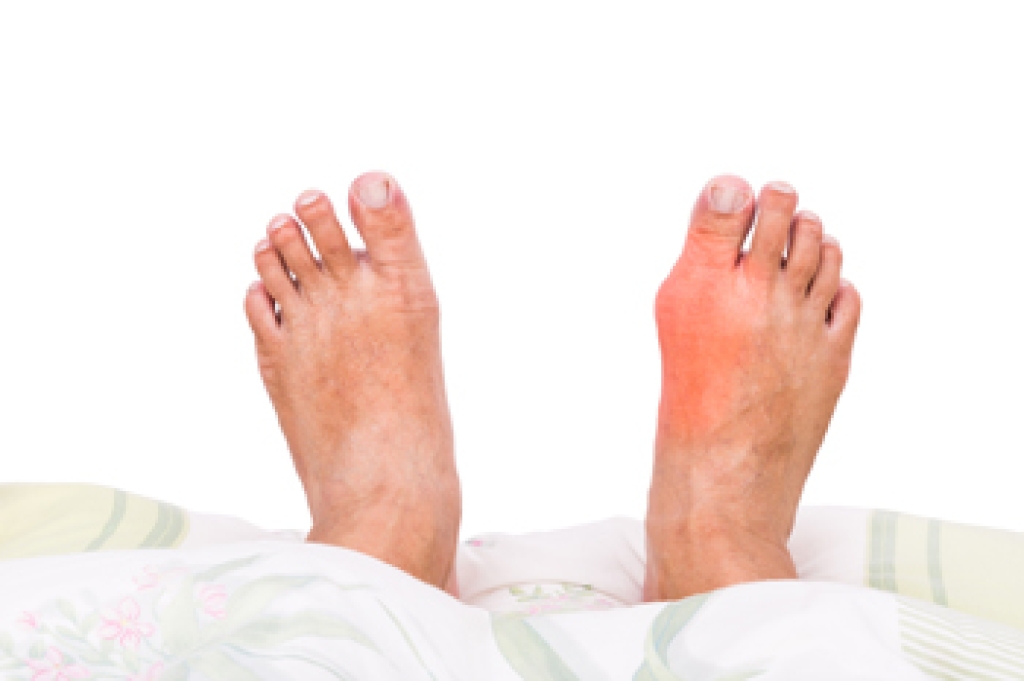
Bunions and Their Impact on Foot Health

A bunion is a bony bump that forms on the joint at the base of the big toe, with the toe leaning  inward toward the second toe. This deformity develops gradually and can result from wearing tight shoes, genetic factors, or arthritis. Risk factors include family history, flat feet, and prolonged pressure on the front of the foot. Symptoms often include pain, redness, swelling, and difficulty while wearing shoes. A podiatrist can evaluate the severity of the bunion, recommend supportive footwear, custom orthotics, or surgical correction, if needed. If you notice discomfort or a visible bump at the base of your big toe, it is suggested that you schedule an appointment with a podiatrist who can provide an accurate diagnosis and treatment.

If you are suffering from bunion pain, contact Christopher Murphy, DPM of Murphy Foot and Ankle Medicine and Surgery. Our practitioner can provide the care you need to keep you pain-free and on your feet.

What Is a Bunion?

Bunions are painful bony bumps that usually develop on the inside of the foot at the joint of the big toe. As the deformity increases over time, it may become painful to walk and wear shoes. Women are more likely to exacerbate existing bunions since they often wear tight, narrow shoes that shift their toes together. Bunion pain can be relieved by wearing wider shoes with enough room for the toes.

Causes

  • Genetics – some people inherit feet that are more prone to bunion development
  • Inflammatory Conditions - rheumatoid arthritis and polio may cause bunion development

Symptoms

  • Redness and inflammation
  • Pain and tenderness
  • Callus or corns on the bump
  • Restricted motion in the big toe

In order to diagnose your bunion, your podiatrist may ask about your medical history, symptoms, and general health. Your doctor might also order an x-ray to take a closer look at your feet. Nonsurgical treatment options include orthotics, padding, icing, changes in footwear, and medication. If nonsurgical treatments don’t alleviate your bunion pain, surgery may be necessary.

If you have any questions, please feel free to contact our office located in Edgewater . We offer the newest diagnostic and treatment technologies for all your foot care needs.

Read more about Bunions

Athlete’s Foot and Common Symptoms

The medical term for athlete’s foot is tinea pedis. It is an infection caused by a fungus that lives and thrives in warm and moist environments. This fungus can enter the body through tiny cracks in the skin of the feet and can cause uncomfortable symptoms. These include itchy skin on the bottom of the feet or between the toes, and the affected area may burn. In severe cases, blisters may develop and ooze, and can often appear unsightly. There are measures that can be implemented that may help to prevent athlete’s foot. These can consist of wearing appropriate shoes while in public pools, showers, and surrounding areas, in addition to refraining from sharing towels, shoes, and socks. If you have symptoms of athlete's foot, it is suggested that you make an appointment with a podiatrist who can offer you treatment options.

Athlete’s foot is an inconvenient condition that can be easily reduced with the proper treatment. If you have any concerns about your feet and ankles, contact Christopher Murphy, DPM from Murphy Foot and Ankle Medicine and Surgery.  Our practitioner will treat your foot and ankle needs.

Athlete’s Foot: The Sole Story

Athlete's foot, also known as tinea pedis, can be an extremely contagious foot infection. It is commonly contracted in public changing areas and bathrooms, dormitory style living quarters, around locker rooms and public swimming pools, or anywhere your feet often come into contact with other people.

Solutions to Combat Athlete’s Foot

  • Hydrate your feet by using lotion
  • Exfoliate
  • Buff off nails
  • Use of anti-fungal products
  • Examine your feet and visit your doctor if any suspicious blisters or cuts develop

Athlete’s foot can cause many irritating symptoms such as dry and flaking skin, itching, and redness. Some more severe symptoms can include bleeding and cracked skin, intense itching and burning, and even pain when walking. In the worst cases, Athlete’s foot can cause blistering as well. Speak to your podiatrist for a better understanding of the different causes of Athlete’s foot, as well as help in determining which treatment options are best for you.

If you have any questions please feel free to contact our office located in Edgewater . We offer the newest diagnostic and treatment technologies for all your foot and ankle needs.

Read more about Athlete's Foot

Strengthening Ankles for Wearing High Heels

Strong ankles can help improve comfort and stability when wearing high heels. Ankle flexion is performed by pointing your toes upward to stretch and strengthen the front of the ankle. Ankle extension is done by pointing your toes downward to work the calf muscles and improve balance. Additionally, ankle circles involve rotating your ankles slowly in both directions to increase flexibility and mobility. Regularly practicing these ankle strengthening exercises can reduce the risk of pain or injury from high heels. A podiatrist can assess your ankle strength, recommend targeted exercises, and provide supportive care to keep your feet healthy. If you have foot or ankle pain from frequently wearing high heels, it is suggested that you consult a podiatrist who can treat various foot conditions, and guide you toward additional ankle stretches. 

Exercising your feet regularly with the proper foot wear is a great way to prevent injuries and build strength. If you have any concerns about your feet, contact Christopher Murphy, DPM from Murphy Foot and Ankle Medicine and Surgery. Our practitioner can provide the care you need to keep you pain-free and on your feet.

Exercise for Your Feet

Exercise for your feet can help you gain strength, mobility and flexibility in your feet. They say that strengthening your feet can be just as rewarding as strengthening another part of the body. Your feet are very important, and we often forget about them in our daily tasks. But it is because of our feet that are we able to get going and do what we need to. For those of us fortunate enough to not have any foot problems, it is an important gesture to take care of them to ensure good health in the long run.

Some foot health exercises can include ankle pumps, tip-toeing, toe rises, lifting off the floor doing reps and sets, and flexing the toes. It is best to speak with Our practitioner to determine an appropriate regimen for your needs. Everyone’s needs and bodies are different, and the activities required to maintain strength in the feet vary from individual to individual. 

Once you get into a routine of doing regular exercise, you may notice a difference in your feet and how strong they may become.

If you have any questions, please feel free to contact our office located in Edgewater . We offer the newest diagnostic and treatment technologies for all your foot care needs.

Read more about Exercise for Your Feet

Get Professional Care for a Broken Foot or Ankle

Constant care and regular evaluation are important for a foot or ankle fracture. If left untreated, foot or ankle fractures can worsen over time and create more serious problems.

Don't wait to be examined if you believe you've experienced a foot or ankle fracture.

The Trouble with Blisters

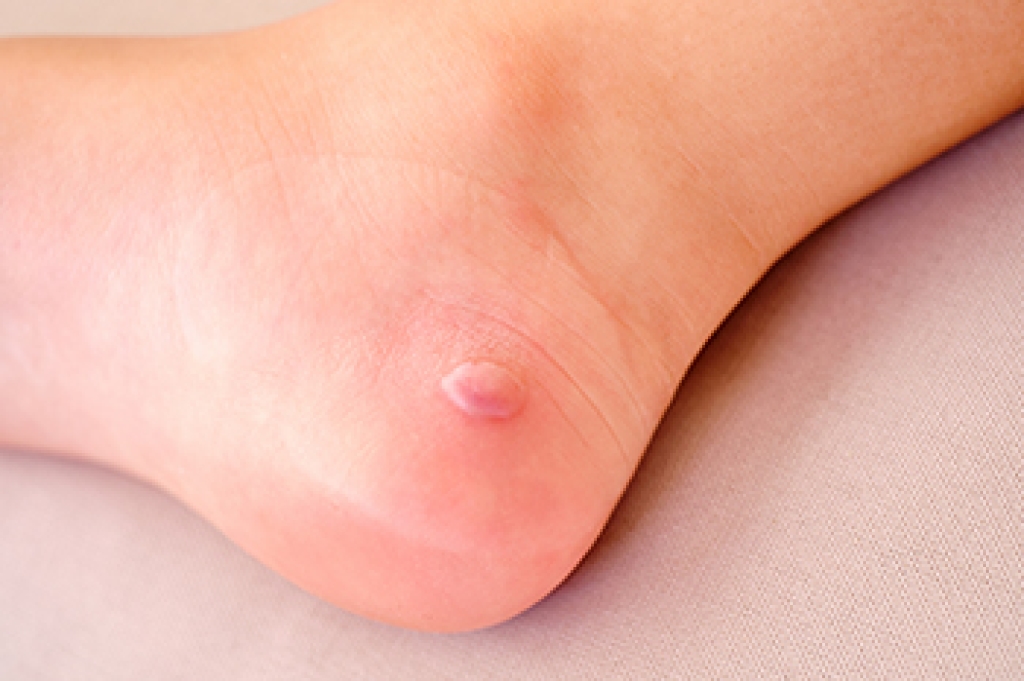
Blisters are small pockets of fluid that form on the skin, often caused by friction, heat, or irritation. On the feet, blisters commonly appear due to wearing ill-fitting shoes, excessive walking or running, or prolonged exposure to moisture. Symptoms include raised, fluid-filled bumps that may be clear or cloudy, accompanied by redness, pain, and tenderness. Blisters can feel tight and uncomfortable, making walking difficult. If left untreated, blisters can rupture, leading to possible infection or increased pain. A podiatrist can help diagnose the cause of persistent or severe blisters and recommend appropriate treatment. Treatments may include protecting the blister with specialized dressings, draining larger blisters safely, and addressing the underlying issues such as footwear or gait problems. Preventive advice and care can reduce the risk of future blisters. If blisters are frequent, painful, or show signs of infection, it is suggested that you schedule an appointment with a podiatrist to ensure proper care and healing.

Blisters are prone to making everyday activities extremely uncomfortable. If your feet are hurting, contact Christopher Murphy, DPM of Murphy Foot and Ankle Medicine and Surgery. Our practitioner can provide the care you need to keep you pain-free and on your feet.

Foot Blisters

Foot blisters develop as a result of constantly wearing tight or ill-fitting footwear. This happens due to the constant rubbing from the shoe, which can often lead to pain.

What Are Foot Blisters?

A foot blister is a small fluid-filled pocket that forms on the upper-most layer of the skin. Blisters are filled with clear fluid and can lead to blood drainage or pus if the area becomes infected.

How Do Blisters Form?

Blisters on the feet are often the result of constant friction of skin and material, usually by shoe rubbing. Walking in sandals, boots, or shoes that don’t fit properly for long periods of time can result in a blister. Having consistent foot moisture and humidity can easily lead to blister formation.

Prevention & Treatment

It is important to properly care for the affected area in order to prevent infection and ease the pain. Do not lance the blister and use a Band-Aid to provide pain relief. Also, be sure to keep your feet dry and wear proper fitting shoes. If you see blood or pus in a blister, seek assistance from a podiatrist.

If you have any questions, please feel free to contact our office located in Edgewater . We offer the newest diagnostic and treatment technologies for all your foot care needs.
Read more about Blisters on the Feet
scroll to top